
Critical Thinking Books: 7 Best Picks to Sharpen Your Mind
Each of these critical thinking books offers unique insights into how we can improve our reasoning and decision-making.
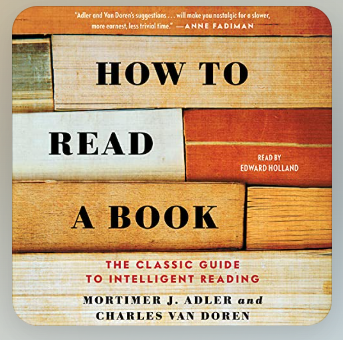
Each of these critical thinking books offers unique insights into how we can improve our reasoning and decision-making.
Fourth grade is the perfect time to introduce logic problems that build focus, reasoning, and confidence. In this guide, you’ll find kid-friendly logic puzzles, examples with answers, and the best resources for parents and teachers to support critical thinking at home or in the classroom.
Implicit bias in the classroom shapes grading, discipline, and student opportunities in ways teachers often don’t realize. Research shows that unconscious stereotypes begin in early childhood and can create inequitable outcomes for Black, immigrant, and minoritized students. This article explains what implicit bias is, why it matters, and evidence-based strategies educators can use—such as anonymous grading, empathy-building, reflective tools, mindfulness, and cross-group relationships.

Critical thinking is a lifelong skill that helps you make clearer decisions, evaluate information objectively, and avoid being misled. This guide breaks down what critical thinking really is, why it matters, and the most effective, beginner-friendly ways to strengthen it in everyday life.

Critical thinking is the ability to analyze information clearly, question assumptions and make evidence-based decisions. This article explains its meaning, definition and real-world importance in a simple, practical way.

Critical thinking has become one of the most valuable skills in today’s job market. This article explains why employers prioritize it, which careers depend on it, how organizations assess it, and the best ways for students and professionals to develop strong analytical and problem-solving abilities.