Implicit bias in the classroom is one of the hidden obstacles to equity.
Researchers at the National Institutes of Health describe implicit bias as a form of bias that occurs automatically and unintentionally and yet influences judgements, decisions and behaviors.
The Yale Poorvu Center for Teaching and Learning defines it as unconscious attitudes, reactions, stereotypes and categories that shape how people perceive and interact with each other.
These subtle biases originate early; studies with four‑ and five‑year‑olds show that young children rated images of Black boys less favorably than images of white boys and girls, indicating a strong pro‑white bias. If left unchecked, implicit bias in the classroom can lead to inequities in grading, discipline and access to opportunities.
Why Implicit Bias Matters in the Classroom
Implicit bias affects both educators and students. Teachers may call on certain students more often, select readings that do not reflect the diversity of the class or assume that international students have expertise in issues related to their race or country. Students may also hold biases that lead them to favor peers from similar backgrounds, creating exclusion and stereotyping. Empirical research shows the consequences of these biases:
- Teacher bias impacts student outcomes. A study by Chin and colleagues at Harvard found that teachers of color have lower pro‑white/anti‑Black bias than white teachers. Counties where teachers have stronger pro‑white/anti‑Black bias exhibit larger gaps in test scores and suspension rates between Black and white students.
- Grading bias hurts immigrant and minoritized students. An Italian study combining data from more than 1,300 teachers found that immigrant students received lower grades than native students with similar test scores. When teachers were given personalized feedback about their own implicit bias (via the Implicit Association Test) before grading, the immigrant‑native grade gap shrank by 27 percent.
- Bias shapes early childhood experiences. Experiments with preschoolers using an implicit bias test showed that children responded more positively to neutral images after viewing white faces and less positively after seeing Black faces. Children become attuned to social status and the biases of adults.
- Grading bias perpetuates inequity. Experiments in the United States found that identical assignments labelled with names like “Connor” or “Deshawn” were graded differently; white female teachers were less likely to rate work linked to a stereotypically Black name as “on grade level”. Without awareness, teachers can also assign lower citizenship grades to Black students.
These findings make clear that implicit bias is not a peripheral issue. Left unaddressed, it reinforces systemic inequities and undermines students’ confidence and academic potential.
Key Takeaways:
Implicit bias is unconscious but significantly shapes classroom experiences.
It affects grading, discipline, expectations, and student confidence.
Research links teacher bias to achievement and suspension gaps.
Early childhood studies show that biases form before age five.
Educators can reduce bias through reflection, empathy, anonymous grading, diverse representation, and mindfulness.
Systemic change—such as hiring diverse teachers—is essential for long-term impact.
Recognizing Implicit Bias
The first step in addressing implicit bias is acknowledging that everyone has it. Anti‑bias work begins with recognizing that unconscious stereotypes and feelings influence our actions. Several tools and practices can help educators and students surface these hidden patterns:
- Critical self‑reflection and feedback. Researchers advise teachers to use critical self‑reflection as a growth tool. One way to do this is by recording classroom interactions and reviewing them with a coach or colleague. The Implicit Bias Reflection Tool (IBRT), for example, guides educators through reflective questions after watching recordings of their teaching to uncover biased patterns and develop alternative responses.
- Facilitated reflection and counter‑stereotypical exemplars. Access to structures that support reflection—such as coaching sessions or workshops—helps educators examine their practice. Seeking out counter‑stereotypical exemplars (people or narratives that challenge stereotypes) also rewires assumptions.
- Implicit Association Test (IAT). Tools like Project Implicit’s IAT offer personalized feedback on unconscious biases. In the Italian study, giving teachers their own IAT scores before grading reduced the grade gap for immigrant students. The National Education Association recommends using the IAT to uncover and reflect on personal biases.
- Self‑assessment and feedback from others. Instructors should self‑assess their implicit biases, cultivate inclusivity, and solicit feedback from outside observers and students. Students’ feedback about classroom dynamics can reveal patterns that instructors may miss.
- Tracking interactions. Keeping a simple log of whom you call on, discipline or praise can help identify bias. If you find you interact less equitably with certain groups, make a deliberate effort to change those patterns.
Can You Recognize Your Own Implicit Biases?
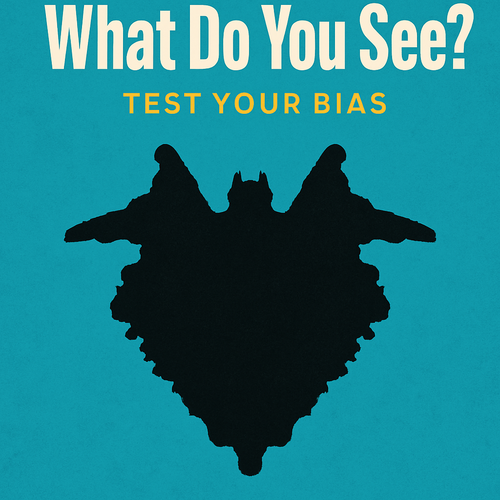
“Look at the inkblot and note your first interpretation—your initial reaction reveals the automatic associations and unconscious biases your mind uses before reasoning kicks in.”
Strategies to Reduce Implicit Bias
Once biases are recognised, educators can adopt concrete strategies to mitigate their effects and create an inclusive classroom. Below are evidence‑based practices drawn from recent research and teaching resources.
Build Awareness and Interrupt Bias
- Pause and reflect before interacting. When preparing to speak with a student, take a ten‑second pause and ask, “What are my assumptions about this person?” This simple habit helps replace autopilot thoughts with receptive listening and affirming perceptions.
- Educate yourself and your colleagues. Implicit bias is a universal human condition. Discussing research on bias with colleagues fosters collective awareness and reminds us that bias must be managed rather than denied.
- Listen to those who name bias. Stop “tone policing”—focusing on how messages are delivered rather than their content. When colleagues or students share experiences of bias, listen without dismissing their concerns.
Foster Empathy and Inclusivity
- Learn about your students’ lives. Empathy—the ability to understand another’s perspective—helps educators respond fairly. Studies show that perspective‑taking reduces reliance on stereotypes. Teachers who actively try to see the world from students’ perspectives and show they care cut suspension rates in half.
- Model inclusive language and materials. Ensure that your syllabus and classroom materials reflect diverse voices. Invite parents or community members to share experiences and use books that introduce histories of different racial and ethnic groups.
- Cultivate cross‑group relationships. Friendships with people from different backgrounds reduce stress in intergroup situations and lower prejudice. Teachers can model this by forming cross‑group friendships and encouraging students to do the same.
- Create a psychologically safe classroom. Grades should not be used as punishment; they should reflect learning and growth. Build a culture where mistakes are viewed as opportunities, students feel comfortable taking risks, and their identities and interests are respected.
Use Fair and Transparent Assessment
- Adopt rubrics and anonymous grading. Research shows that using standardized rubrics and removing names from papers reduces grading bias. Many learning‑management systems offer anonymous grading tools.
- Focus on mastery, not behavior. Avoid tying grades to factors like attendance, behavior or a student’s name on an assignment. Grades should measure what students know and can do.
Practice Mindfulness and Loving‑Kindness
- Mindfulness reduces stress and bias. Short mindfulness exercises can reduce stress in teachers and decrease implicit bias. A 10‑minute mindfulness session led participants to show less bias toward Black people and older adults.
- Loving‑kindness meditation promotes compassion. Try sending compassionate thoughts to others (loving‑kindness meditation). It can reduce implicit bias toward targeted groups.
Engage in Continuous Growth and Systems Change
- Acknowledge that change is a process. Educators and students alike need time to unlearn biases; progress may be gradual.
- Hire and retain diverse educators. Because teachers of color exhibit lower anti‑Black bias, hiring and supporting diverse teachers can help disrupt systemic biases.
- Move beyond one‑off trainings. Short interventions can raise awareness but often do not lead to lasting behavioral change. Systemic change—such as revising discipline policies, curricula and hiring practices—is necessary to dismantle institutional bias.
Conclusion
Implicit bias in the classroom is not a personal moral failing; it is a product of the societal messages and structures that shape everyone’s perceptions. Unconscious biases begin in early childhood and can influence teacher expectations, grading and discipline. Recognizing and addressing these biases is essential for creating equitable learning environments.
Critical Self-Reflection FAQ:
Implicit bias in the classroom refers to automatic, unconscious attitudes or stereotypes that influence how teachers and students perceive, interact with, and evaluate one another. These biases can affect grading, discipline, expectations, and access to opportunities—even when educators intend to be fair.
Implicit bias can lead teachers to grade similar work differently, discipline certain students more often, or call on some students less. Studies show that biases contribute to achievement gaps, lower confidence, fewer opportunities, and higher suspension rates for Black, immigrant, and minoritized students.
Effective strategies include anonymous grading, using clear rubrics, practising empathy, learning about students’ backgrounds, using reflective tools like the IAT, tracking interactions, building cross-group relationships, and incorporating diverse materials. Mindfulness and loving-kindness meditation also help decrease bias.