Quick summary
The best skills to learn as a teenager are the ones that
- (a) transfer to many school subjects and jobs,
- (b) compound over time, and
- (c) improve daily life and mental well-being, not just grades.
Current employer research highlights rising demand for analytical thinking, resilience/flexibility, leadership/social influence, and fast-growing demand in AI/data, cybersecurity, and technology literacy. At the same time, education frameworks emphasize broad competencies linked to long-term well-being, not only academic achievement.
Because your location, access to paid courses, and starting skill level aren’t specified, time estimates are ranges. Think of “competence” as: you can do the skill independently, explain what you did, and repeat it consistently.
What makes a skill high impact in the teen years
A high-impact skill has three properties:
First, it’s transferable. For example, learning to learn (retrieval practice, spaced repetition) boosts results across subjects because it changes how your brain stores and retrieves knowledge. Research syntheses rate practice testing and distributed (spaced) practice as among the most effective, broadly useful study techniques.
Second, it’s future-proof enough. Employer surveys expect that a large share of workers’ skills will change by 2030, meaning teens benefit from skills that adapt across technologies and job types. Career-readiness frameworks also converge on competencies like communication, critical thinking, teamwork, and technology as durable fundamentals.
Third, it supports well-being. Teen years are when sleep, stress habits, and social skills strongly shape daily functioning. For instance, sleep guidelines recommend 8–10 hours for ages 13–18 to support health and functioning. Practical stress-management skills can be practiced in minutes a day and are designed for broad use, regardless of where you live.
How to read the rankings: Scores are directional, not destiny. If you’re already strong in a category, shift time to your weakest “high score” skills first.
Prioritized list of skills to learn as a teenager
Personal development
| Priority | Skill | What it is (1–2 sentences) | Top 3 ways to learn (courses/books/free) | Time-to-competence | Scores (Employ/Daily/Mental) | Beginner project |
|---|---|---|---|---|---|---|
| 1 | Learning how to learn | Build a repeatable study system using retrieval practice, spacing, and good feedback loops. Strong learning methods improve almost every other skill. | Coursera “Learning How to Learn (Youth)”; Make It Stick; Anki spaced-repetition basics | 15–25h (3–5w) | 7/10/9 | Create a “Study Playbook” + one Anki deck + weekly quiz schedule |
| 2 | Time management & weekly planning | Use calendars and weekly reviews to control deadlines instead of reacting to them. You’re learning “adult logistics” early. | Google Workspace calendar routines; Getting Things Done; 1 weekly planning template in Google Sheets | 10–15h (2–4w) | 6/10/7 | Build a weekly plan + time audit for 7 days + improve one bottleneck |
| 3 | Goal setting & habits | Turn goals into small daily/weekly actions and track consistency. Habits compound for grades, health, and confidence. | Atomic Habits; 30-day habit tracker; simple “if–then” planning worksheet | 10–20h (3–6w) | 7/9/8 | Choose 1 keystone habit; track 30 days; write a 1-page reflection |
| 4 | Focus & digital hygiene | Reduce distraction and improve sustained attention (notifications, environment, task batching). Better focus = less stress + faster learning. | Pomodoro + distraction log; Deep Work; device “focus mode” setup + rules | 10–20h (3–6w) | 7/9/8 | Create a “focus ritual,” measure deep-work minutes for 14 days |
| 5 | Health foundations (sleep, movement, nutrition) | Sleep, movement, and nutrition drive energy, mood, and learning. Teens are recommended 8–10 hours of sleep; your habits matter. | Sleep schedule experiment; Canada’s Food Guide (teens) or USDA MyPlate (teens); basic strength/mobility routine | 20–40h (6–10w) | 5/10/9 | Two-week sleep plan + 3 simple meals you can cook + movement habit |
Academic and career
| Priority | Skill | What it is (1–2 sentences) | Top 3 ways to learn (courses/books/free) | Time-to-competence | Scores (Employ/Daily/Mental) | Beginner project |
|---|---|---|---|---|---|---|
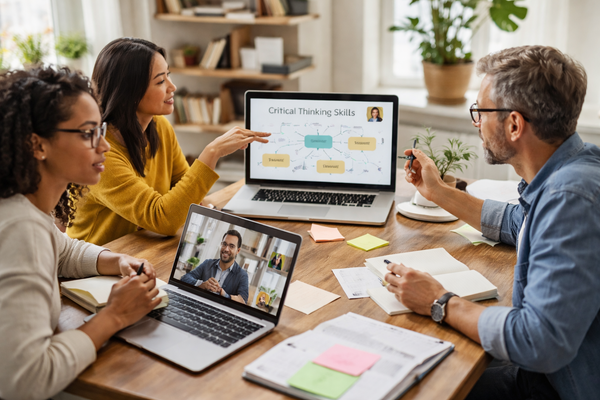
| 6 | Critical thinking & reasoning | Practice breaking problems into assumptions, evidence, and logic (not vibes). Employers consistently value analytical thinking. | Logic puzzles + reflection; Thinking, Fast and Slow (selected chapters); debate one claim with evidence | 20–40h (6–10w) | 9/8/6 | Write one-page “argument map” weekly for 6 weeks |
| 7 | Writing clearly (school + life) | Learn to write clearly: structure, evidence, and revision. Writing is a career multiplier and a thinking tool. | Purdue OWL student resources; The Elements of Style; weekly essay rewrite practice | 25–50h (6–12w) | 9/9/6 | Create a 5-piece writing portfolio (essays, emails, summaries) |
| 8 | Public speaking & presenting | Speak with structure, confidence, and audience awareness. Communication is a core career-readiness competency. | Toastmasters Youth Leadership (if available); short weekly recorded talks; Talk Like TED | 20–40h (6–10w) | 8/8/7 | Record 8 two-minute talks; improve using feedback checklist |
| 9 | Research & information literacy | Find reliable sources, cite them, and avoid misinformation. Lateral reading is a proven approach for evaluating unfamiliar sources online. | Civic Online Reasoning lessons; library database basics; “source quality rubric” practice | 15–30h (4–8w) | 9/8/6 | Build a 10-source annotated bibliography on a topic you care about |
| 10 | Career readiness basics | Learn how jobs work: strengths, roles, resumes, interviewing, and professional behavior. Career-readiness frameworks emphasize communication, teamwork, and technology. | NACE competency self-audit; resume + LinkedIn draft; 3 mock interviews with adults | 15–25h (4–6w) | 10/7/6 | Create a 1-page resume + “brag document” + 60-second intro |
Digital and technical
| Priority | Skill | What it is (1–2 sentences) | Top 3 ways to learn (courses/books/free) | Time-to-competence | Scores (Employ/Daily/Mental) | Beginner project |
|---|---|---|---|---|---|---|
| 11 | Touch typing | Typing fluently reduces friction in almost every school and work task. This is a “hidden productivity skill.” | Typing practice site + daily drills; accuracy-first approach; weekly timed tests | 10–20h (2–6w) | 6/8/5 | Reach 40–60 WPM with ≥95% accuracy; log progress |
| 12 | Spreadsheets (data literacy) | Spreadsheets teach structured thinking: formulas, charts, and tracking. It’s useful for budgets, study plans, and projects. | Google Sheets quick-start guides; spreadsheet template teardown; beginner charts practice | 15–30h (4–8w) | 8/9/4 | Build a personal tracker (grades, habits, budget) with charts |
| 13 | Programming fundamentals (Python) | Learn variables, loops, functions, and debugging—the basics behind automation and data work. | CS50x (or beginner Python track); Python exercises on freeCodeCamp; Automate the Boring Stuff | 40–80h (8–16w) | 10/6/4 | Write 3 small scripts (rename files, flashcards quiz, habit logger) |
| 14 | Web basics (HTML/CSS/JS) | Understand how the web works and build simple sites. It’s useful for portfolios, clubs, and small businesses. | MDN “Learn web development”; freeCodeCamp web projects; Eloquent JavaScript (basics) | 40–80h (8–16w) | 9/6/4 | Build a 3-page portfolio site + deploy it |
| 15 | Cybersecurity & privacy basics | Learn MFA, safe passwords, privacy settings, and how scams work—so you protect accounts and identity. MFA is a widely recommended control. | NIST MFA basics; password manager + passphrase rules; privacy checkup for top 3 apps | 10–20h (2–6w) | 9/9/7 | Security upgrade day: MFA + recovery codes + audit permissions |
Financial
| Priority | Skill | What it is (1–2 sentences) | Top 3 ways to learn (courses/books/free) | Time-to-competence | Scores (Employ/Daily/Mental) | Beginner project |
|---|---|---|---|---|---|---|
| 16 | Budgeting & cash flow tracking | Know where money goes and plan spending around goals. The best budget is the one you can maintain. | FDIC Money Smart youth lessons; CFPB youth activities; spreadsheet budget template | 10–20h (4–8w) | 7/10/7 | Track every expense for 30 days; set 3 rules to reduce waste |
| 17 | Banking & saving systems | Understand accounts, fees, and how to build saving habits (even with small amounts). | FDIC Money Smart modules; CFPB “building blocks”; talk to a bank/credit union rep with questions | 8–15h (2–6w) | 6/9/7 | Create a savings goal ladder (3 goals) and automate transfers if possible |
| 18 | Interest, credit, and borrowing basics | Learn compound interest, how credit works, and how debt can snowball. Even before you use credit, this protects you later. | CFPB youth resources; FDIC Money Smart; compound interest calculator exercises | 10–20h (3–6w) | 8/8/6 | Build a “money math” sheet: interest scenarios + break-even analysis |
| 19 | Scam and fraud resistance | Learn to spot phishing, too-good-to-be-true offers, and risky payment practices. Digital life requires scam literacy. | CFPB education tools; lateral reading habit for unknown sites; “verify-before-pay” checklist | 8–15h (2–6w) | 8/9/7 | Create a family scam checklist + run 5 “fake vs real” tests together |
Social and emotional
| Priority | Skill | What it is (1–2 sentences) | Top 3 ways to learn (courses/books/free) | Time-to-competence | Scores (Employ/Daily/Mental) | Beginner project |
|---|---|---|---|---|---|---|
| 20 | Stress management & emotional regulation | Learn coping skills you can use under pressure (school, friendships, sports). Practical guides recommend short daily practice. | WHO “Doing What Matters in Times of Stress”; daily 5–10 min practice; feelings-to-needs journaling | 15–30h (4–8w) | 6/9/10 | Build a “stress toolbox” card + practice 14 days + review triggers |
| 21 | Active listening & empathy | Listen to understand (not to win). This improves friendships, teamwork, and family conflict. | “Listen-back” technique practice; Nonviolent Communication (selected parts); weekly reflection prompts | 10–20h (4–8w) | 8/9/9 | Do 5 structured conversations; summarize the other person’s viewpoint accurately |
| 22 | Assertiveness & boundaries | Say yes/no respectfully, protect your time, and set online/offline boundaries. Boundaries reduce burnout and drama. | Assertive scripts practice; roleplay with a trusted adult; “boundary audit” worksheet | 10–20h (4–8w) | 8/9/9 | Write 10 boundary scripts (group work, texting, parties); rehearse 3 weekly |
| 23 | Conflict resolution & negotiation | Learn to de-escalate, find tradeoffs, and repair relationships. This is a life skill for teams and families. | Crucial Conversations (basics); “I statements” + repair attempts; after-action review template | 15–30h (6–10w) | 9/9/8 | Resolve one small conflict using a script; write a short debrief afterwards |
Practical life skills
| Priority | Skill | What it is (1–2 sentences) | Top 3 ways to learn (courses/books/free) | Time-to-competence | Scores (Employ/Daily/Mental) | Beginner project |
|---|---|---|---|---|---|---|
| 24 | Cooking basics & meal planning | Make a few reliable meals, plan groceries, and manage food safety. Cooking supports health and independence. | Canada’s Food Guide teen tips or USDA MyPlate teens; 3 “starter meals” playbook; cook once/week | 20–40h (6–12w) | 6/10/8 | Plan and cook 6 dinners + cost per serving + photo recipe cards |
| 25 | Personal organization (laundry, cleaning, routines) | Keep your space and clothes functional with simple systems. It reduces stress and saves time. | “Reset routine” (10 minutes/day); checklist system; weekly room + backpack reset | 10–20h (4–8w) | 5/10/8 | Build a weekly reset checklist; keep it for 4 weeks and refine |
| 26 | First aid and emergency response basics | Know how to respond early in emergencies and get help fast. First aid training is widely available online and in person. | Red Cross first aid training; family emergency contact plan; basic kit + how to use it | 8–20h (2–6w) | 7/9/8 | Make an emergency plan + practice 3 scenarios (burn, sprain, choking response steps) |
| 27 | Basic repairs and maintenance confidence | Learn how to troubleshoot, follow instructions, and safely fix small things (bike, phone, household items). | iFixit repair guides; “tool literacy” basics; one supervised repair with an adult | 15–30h (4–10w) | 6/9/6 | Fix one item end-to-end; document steps + costs saved |
Creative and hobby
| Priority | Skill | What it is (1–2 sentences) | Top 3 ways to learn (courses/books/free) | Time-to-competence | Scores (Employ/Daily/Mental) | Beginner project |
|---|---|---|---|---|---|---|
| 28 | Creative thinking & idea generation | Learn to produce many ideas, pick the best, and iterate. Creativity is also an employability skill as work changes. | Weekly idea quota (20 ideas); simple “prototype fast” rule; design prompts + reflection | 15–30h (6–10w) | 8/7/8 | Create 10 micro-project ideas and ship 2 small prototypes |
| 29 | Visual design and digital content | Learn basic design principles and create clean visuals (slides, posters, thumbnails). | Canva Design School basics; recreate 5 designs; feedback loop with peers | 20–40h (6–12w) | 7/8/7 | Build a mini brand kit + 6 social posts + a presentation deck |
| 30 | Video editing and storytelling | Tell a clear story in 60–180 seconds with good audio, cuts, and pacing. Useful for school, clubs, and portfolios. | YouTube creators learning hub; edit 1 short/week; storyboard template + shot list | 25–60h (8–16w) | 8/7/7 | Produce a 3-video series (how-to, story, interview) and track improvements |
Resource stack
Below are recommended free and paid resources (English-language) prioritized toward official/primary publishers and widely used educational providers.
Core “always useful” skill platforms include Khan Academy for free practice across school subjects, MIT OpenCourseWare for free university-level materials, and edX (including offerings from Harvard University) for structured courses that can be audited or taken for certificates.
For coding and web skills, freeCodeCamp provides free courses and projects, while Mozilla publishes MDN’s structured “Learn web development” curriculum.
For financial literacy, official resources include the Federal Deposit Insurance Corporation Money Smart youth curricula and the Consumer Financial Protection Bureau youth financial education tools (including a “building blocks” framework). For stress skills, the World Health Organization provides a practical guide designed for broad self-use.
For online safety, National Institute of Standards and Technology explains why multi-factor authentication is an important security enhancement. For media literacy, Digital Inquiry Group provides lateral-reading lessons for evaluating sources.
For writing, Purdue University hosts the Purdue OWL writing resources. For public speaking, Toastmasters International offers structured practice programs, including youth options. For first aid, American Red Cross provides online course options.
Nutrition guidance for teens can be drawn from Government of Canada resources (Canada’s Food Guide) and the U.S. Department of Agriculture MyPlate teen guidance.
Six-month learning roadmap
This roadmap assumes a “typical” teen schedule, with 5–7 hours/week (about 45–60 minutes/day). Each month ends with a deliverable you can show (portfolio, family, teacher, or future employer).
Rendered roadmap table
| Month | Weekly focus (high level) | Target hours/week | Deliverables (end of month) |
|---|---|---|---|
| Month 1 | Learning system + planning + focus | 5–6 | Study Playbook + habit tracker + baseline typing speed |
| Month 2 | Writing + speaking + research literacy | 5–7 | 2 polished essays + 4 short recorded talks + 10-source annotated bib |
| Month 3 | Spreadsheets + Python foundations | 6–7 | Personal dashboard spreadsheet + 2 small Python scripts |
| Month 4 | Web basics + cybersecurity | 6–7 | Personal portfolio website + full account security upgrade checklist |
| Month 5 | Money + cooking + first aid basics | 5–6 | 30-day budget log + 6 cooked meals + emergency plan + basic first aid course plan |
| Month 6 | Career readiness + capstone project | 5–7 | Resume + mock interview + one capstone (app/site/content series) |
FAQ
What are the most useful skills to learn as a teenager if I don’t know what career I want?
Start with learning how to learn, writing, communication, spreadsheets, and basic money skills—they transfer across nearly every path.
How can a teenager learn skills fast without burning out?
Use short daily practice (30–60 minutes), spaced repetition, and weekly reviews; avoid cramming. Effective techniques like distributed practice and practice testing are broadly supported.
Which skills matter most for jobs in the next five years?
Analytical thinking, resilience, technology literacy, and cybersecurity-related skills are repeatedly flagged as rising or fast-growing in employer reporting.
What are good beginner projects to prove skills to colleges or employers?
A simple portfolio website, a spreadsheet dashboard, a small Python script that saves time, recorded presentations, and a 30-day budget log are all clear, showable proof.